

Skip to content
Back to Work

◦ Case study · Mobile · Branding + UX

Proyecto Simbiosis

An app that turns sustainable habits into a shared adventure.

UX/UI DesignMobile AppSustainability
ClientProyecto Simbiosis
Year2025
ScopeBrand identity · Design system · Mobile UX/UI · Illustration direction
RoleStrategy, naming refinement, identity, product design, hand-off

Problem & Goal

01

The Problem

Poor environmental education and waste management communication. Inconsistent recycling habits make it difficult for people to recycle effectively.

02

The Goal

To educate users about responsible consumption and recycling through an engaging, gamified digital experience.

Design Process

How did we work?

The double diamond

ResearchInsights
IdeationPrototypes
ProblemIterativeSolution

Competitors

Ecolana

Ecolana

  • Gamification and rewards make recycling more engaging and motivating for users.
  • Environmental impact tracking helps users visualize their carbon footprint.
  • Broken maps and registration issues reduce trust and usability.
  • Limited accessibility and community features reduce user engagement.
Earth Hero

Earth Hero

  • Gamification and rewards make recycling more engaging and motivating for users.
  • Environmental impact tracking helps users visualize their carbon footprint.
  • Broken maps and registration issues reduce trust and usability.
  • Limited accessibility and community features reduce user engagement.

Interview

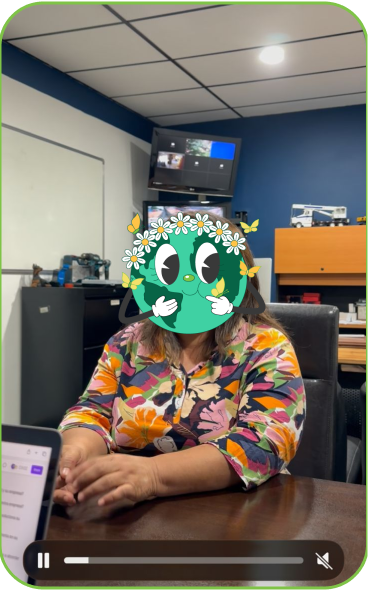
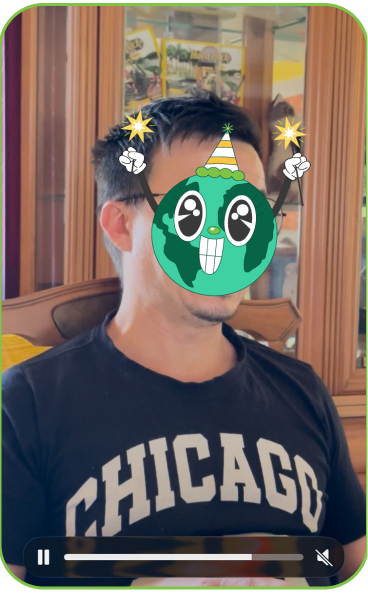
5 user interviews conducted to understand environmental habits, barriers to recycling, and motivations.

Empathy Map

What they do

They're trying to do the right thing. Even if it means extra effort, they keep going, because it matters to them.

What they think & feel

Overwhelmed by climate change, yet hopeful that small actions still make a difference. They worry their effort might not be enough. They want to feel supported.

What they say

They talk about how frustrating it is to sort recycling properly, only to see it mixed later. They ask for clear information and for services that match their values.

What they see

A world that's still not ready for sustainability. Public services don't support their efforts and businesses don't offer eco-friendly options.

User Stories

I know this stuff can harm the planet

As an engineer, I want to know exactly where to dispose of my electronic waste. I'm aware that some components are highly polluting, and I want to be responsible with them. It's not always easy to find the right place.

They're tech-savvy and informed, but even they struggle to find clear answers.

I just want to breathe better

As someone living in Mexico City, I want the government to manage air pollution more effectively, so we can live in healthier environments. I see how bad the air gets, and I wish there were stronger public policies in place.

Behind this story is someone hoping for structural change, because personal effort only goes so far.

We can only do this together

As a citizen of Mexico City, I want the people around me to adopt better environmental practices. I believe collective effort matters, and it's frustrating to feel like I'm the only one trying.

It's not just about access — it's about culture, community, and shared responsibility.

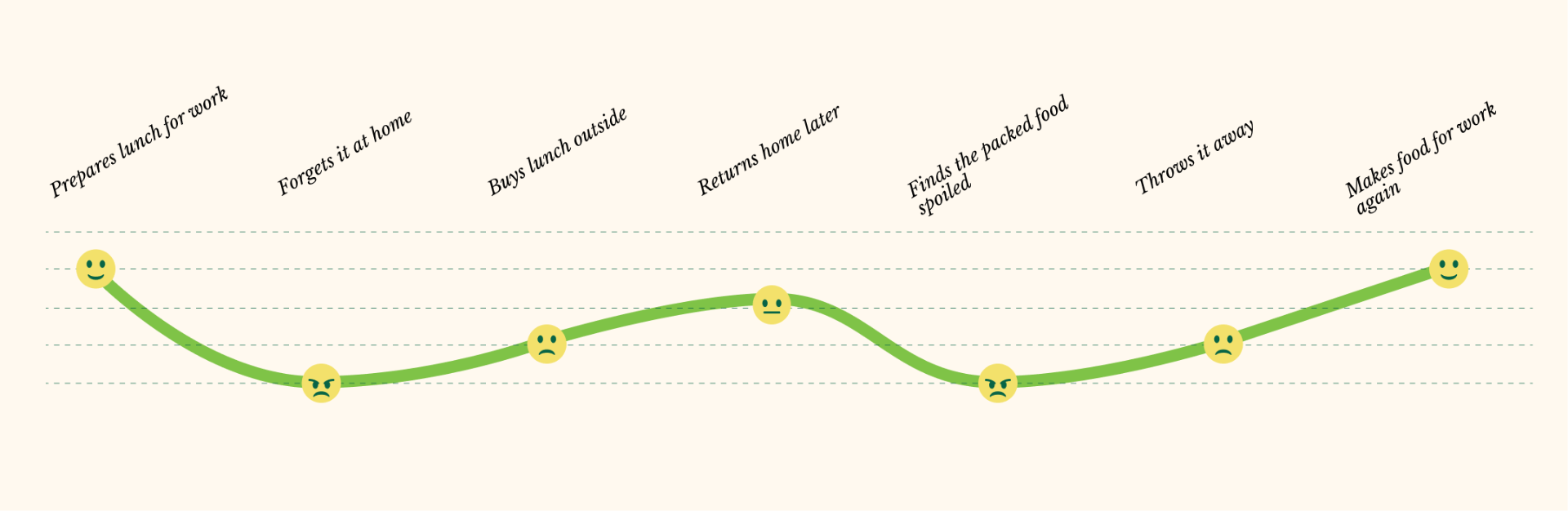
Journey Map

Journey map

What did we find?

Guilt & pessimism block action

Users disengage when messaging feels heavy or accusatory.

No visible recycling infrastructure

Discovery friction is a main barrier.

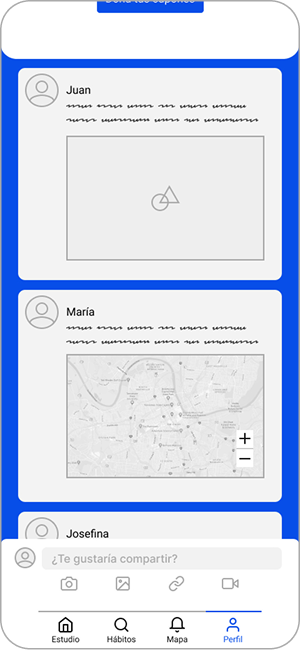
Community drives consistency

Joint action and shared goals improve long-term habit formation.

Rewards boost motivation

Tangible incentives bridge the gap between intent and behavior.

Less consumption = more value

Reframing consumption is key to mindset change.

Data makes impact real

Seeing carbon footprint makes choices feel meaningful.

Behavior Change

Mindset and habits

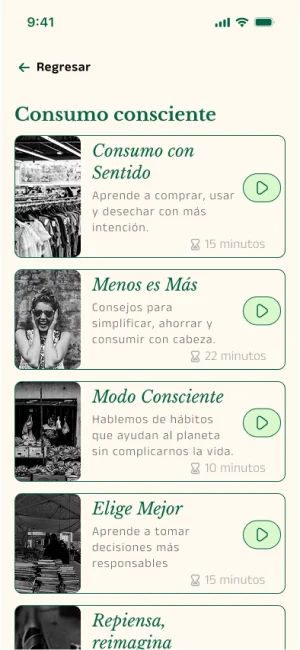
The deepest lever for sustainability is changing how people think and act daily. These solutions address mindset, self-awareness, and habit formation.

01

Less is More

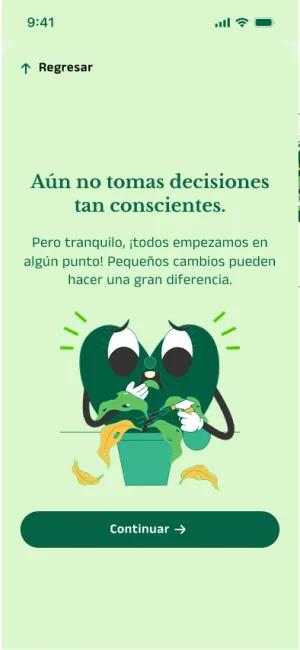
App communication always feels community-driven, never guilt-inducing or pessimistic.

02

Best we can

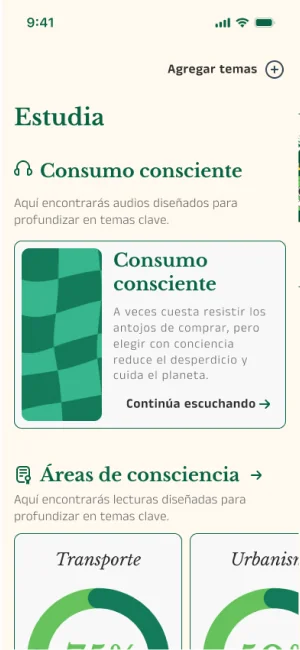
Content personalized by concern, helping users understand the impact.

03

I'm my habits

Self-reflection tool for questioning consumption and eco-practices.

04

Simbiosis

Collective action is the most powerful force against climate change.

Product Feature

Tools and infrastructure

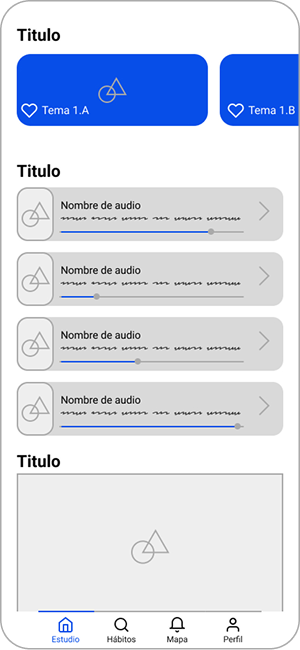
Concrete tools that remove friction and make sustainable choices practical. It solves the "I don't know how or where" problems.

01

Win-win

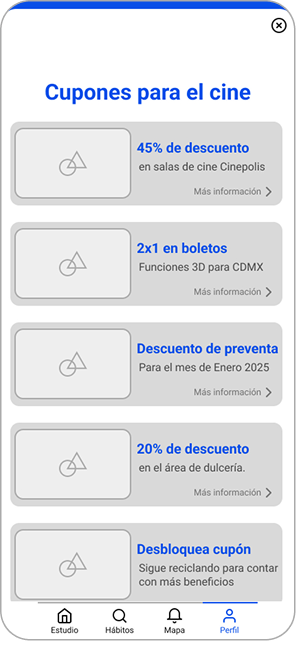
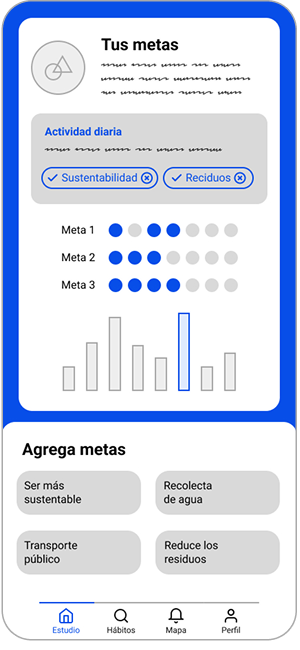
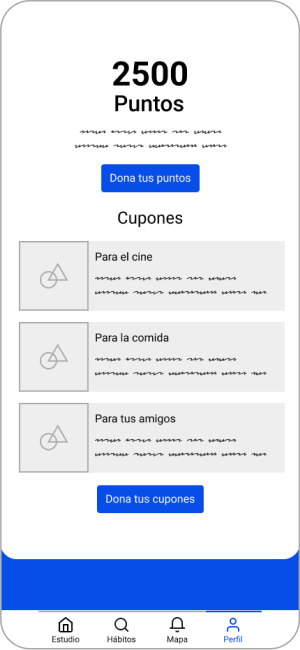
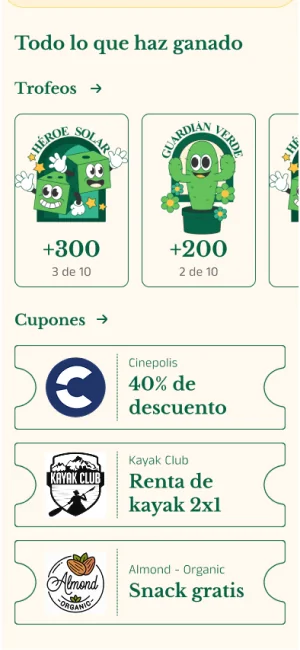
Rewards program where recycling earns points redeemable for coupons and perks. Creates real motivation to act.

02

I'm my habits

Self-reflection tool for questioning daily routines and planning changes in consumption and eco-practices.

03

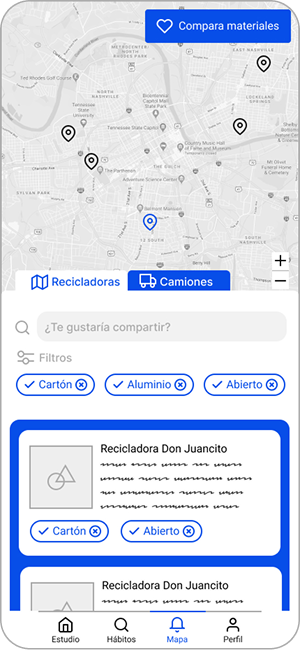
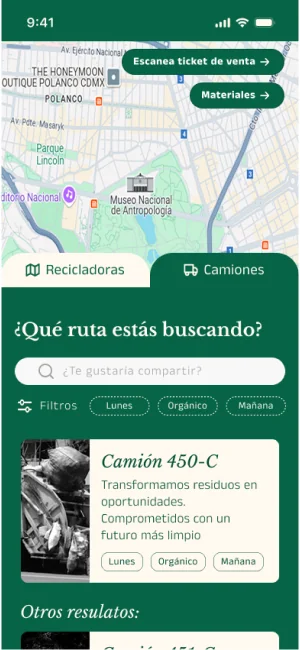
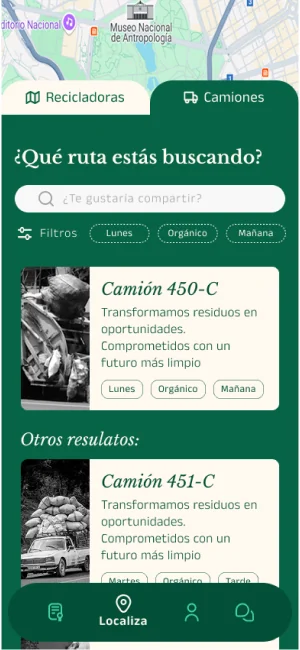
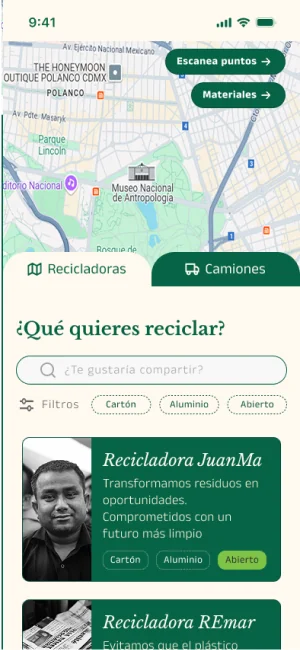
Where to go?

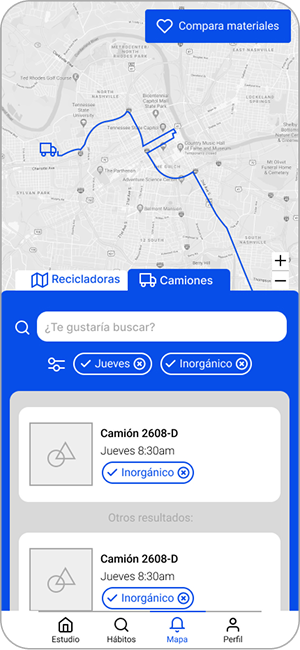
Interactive map showing nearby recycling points, garbage truck monitoring, and collection schedules.

Communication

Tone and content

How the app speaks matters as much as what it does. These solutions define the voice and content strategy: empathetic, informed, never guilt-driven.

01

The voice

App language always feels community-driven, committed, and warm — never accusatory or pessimistic. Tone is a design decision.

02

I do what I know

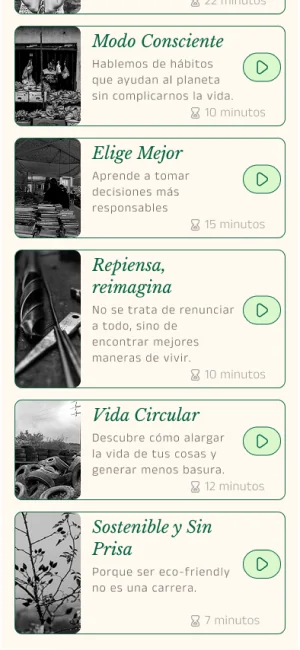
Content personalized by concern, helping users understand the impact.

Medium-fidelity prototype testing

Usability tests

Four usability tests were conducted using Blackberry with participants ranging from 20 to 52 years old — a deliberate age spread to surface generational gaps in digital fluency and environmental awareness.

Method 1 · 5-second first impression

Blink test

Method 2 · Find & use a coupon

Task success rate

Method 3 · 1–5 difficulty rating

Satisfaction survey

Method 4 · Comment analysis

Open feedback

Metrics from usability tests

60%

Of users perceived the interface as friendly and intuitive in under 5 seconds.

2.6×

Younger users completed tasks 2.6× faster — highlighting how intuitive design varies by user background.

Users loved the visual design but felt key features like social benefits were too hidden.

Design system

Green shades

  • Green 1#076446
  • Soft Green 2#7FC347
  • Dark Green 3#034F37
  • Yellow 1#F3E16B
  • Green-ish 4#3FD1A3

Yellow-ish shades

  • White–Yellow 1#FFF9EF
  • Yellow–White 2#FFF3DB
  • Green–Yellow 3#DAF8CD

Neutral shades

  • Soft Gray 1#FBFBFB
  • Dark Gray 2#393939
  • Medium Gray 3#676767
  • Medium Gray 4#A5A5A5

Typography

  • Title 0Times New Roman40 / 55
  • Title 1Times New Roman30 / 37
  • Title 2Times New Roman27 / 33.2
  • Title 3Times New Roman24 / 31.2
  • Title 4Times New Roman22 / 28.6
  • Big paragraphAnek Malayalam19 / 24.7
  • Small paragraphAnek Malayalam17 / 22.1
  • DescriptionAnek Malayalam16 / 20.8
  • Big buttonAnek Malayalam17 / 22.1
  • Small buttonAnek Malayalam14 / 18.2
  • LabelAnek Malayalam13 / auto

Final app screens

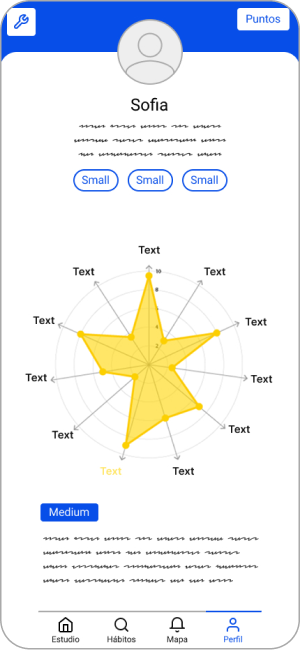
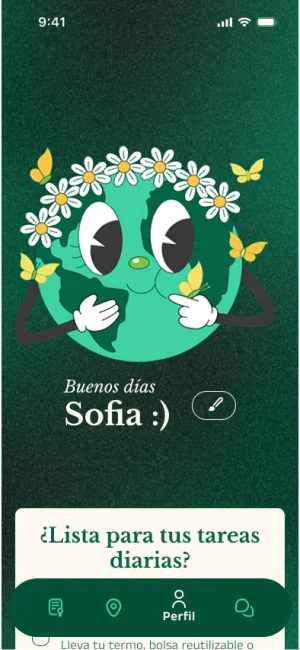
2. Features · ♡ I'm my habits

Self-reflection tool for questioning daily routines and planning changes in consumption and eco-practices.

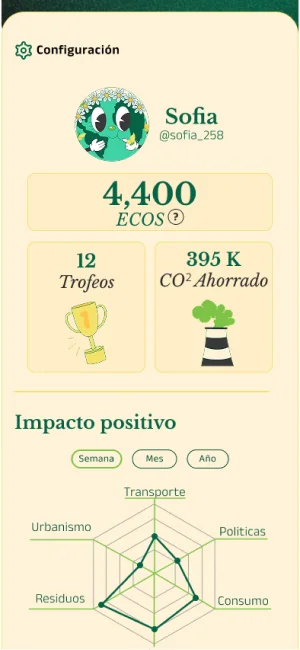
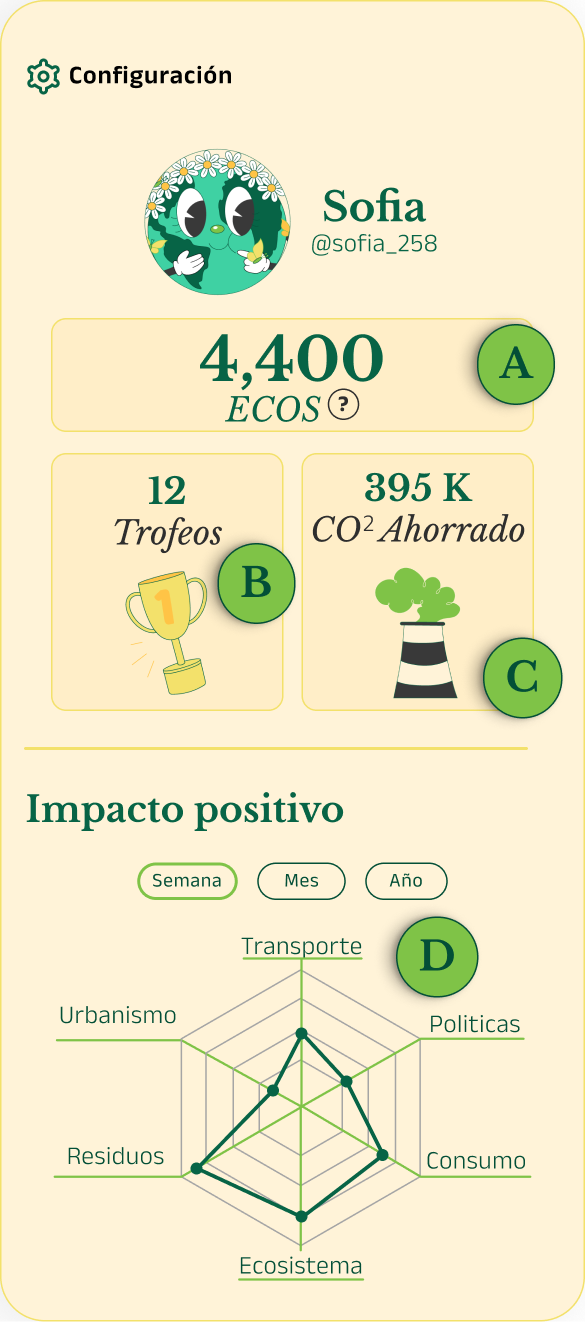
A

ECOS — your motivation points

Points you earn by completing actions and tasks inside the app. They're redeemable for real coupons, turning environmental effort into a personal reward.

B

Trophies — milestone achievements

Unlocked when you do something remarkable. Not everyday tasks, but meaningful milestones.

C

CO₂ saved — your positive impact

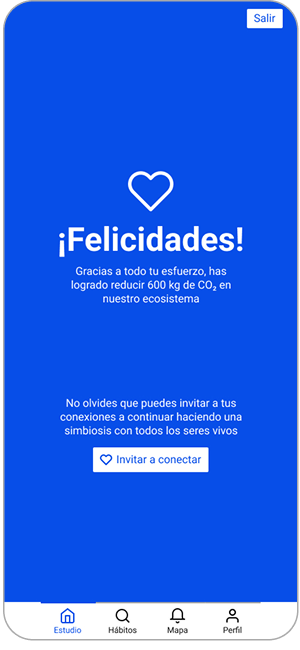
A running measure of the CO₂ you've kept out of the atmosphere through your choices. Makes the invisible visible.

D

Radar chart — where you're strongest

Shows your activity across six sustainability dimensions. At a glance you see which areas you already lead in, and where there's room to grow.

Sustainable Impact

This project directly contributes to the following United Nations Sustainable Development Goals.

SDG 4 — Quality Education

Simbiosis educates users about recycling, responsible consumption, and environmental impact through interactive, accessible content — making environmental literacy available to everyone, regardless of background.

SDG 12 — Responsible Consumption and Production

The app directly promotes sustainable consumption patterns by helping users track habits, reduce waste, and make more conscious daily choices — turning individual behavior into collective environmental progress.

Next

Have a project that already does something true?